
Setting goals is like creating a roadmap for your life. It gives you direction, purpose, and motivation to keep moving forward. By clearly defining what you want to achieve, you are more likely to stay focused and on track. Goals act as motivation, pushing you out of your comfort zone and propelling you toward growth and success.
Are you constantly setting goals but struggling to achieve them? You're not alone! Setting and achieving goals can be a challenging process, but with the right mindset and strategies, you can turn your dreams into reality.
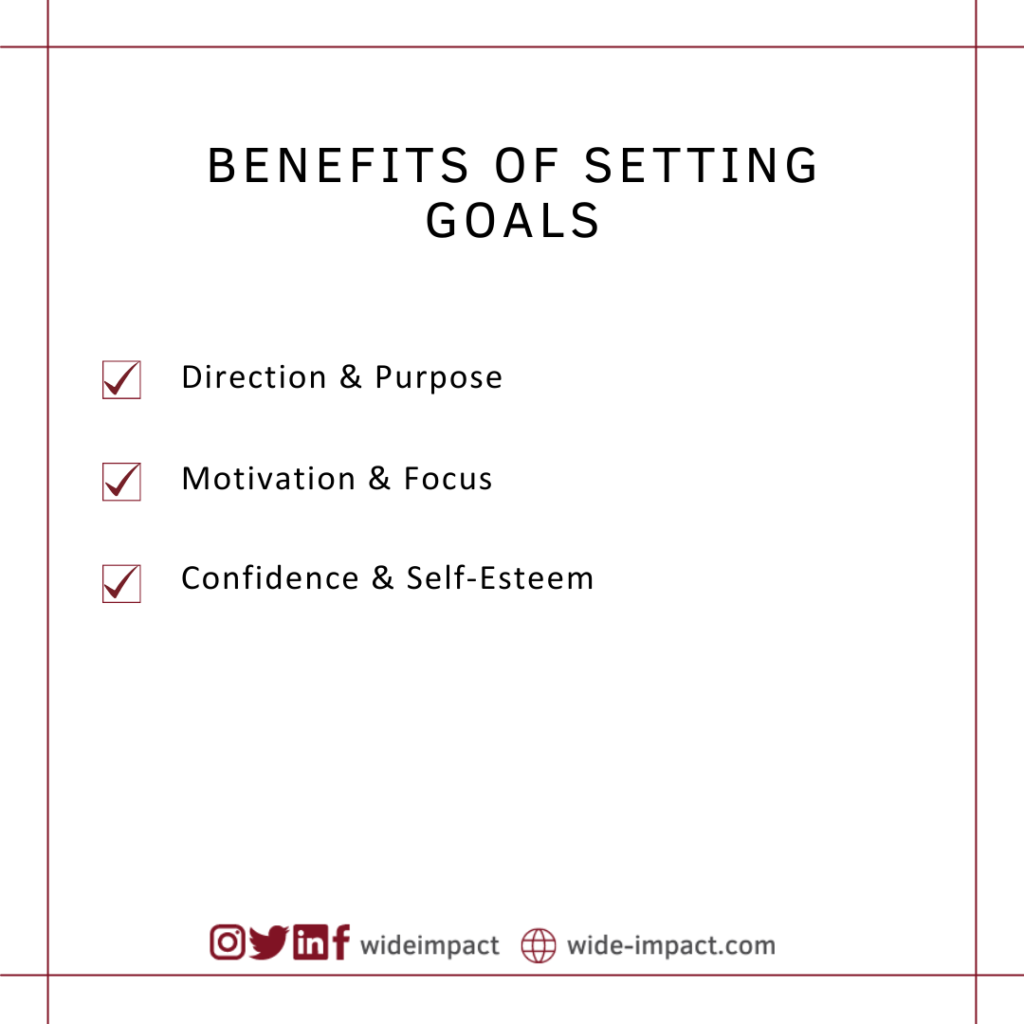
Achieving goals also boosts confidence and self-esteem. Each milestone reached reinforces the belief that anything is possible with dedication and perseverance. Setting achievable goals empowers you to take control of your life's narrative – shaping it according to your aspirations rather than leaving things up to chance or circumstance.
Setting goals is a crucial step in achieving success, but it's essential to understand the distinction between long-term and short-term goals. Long-term goals are like the destination on a map – they provide direction for your journey. These are ambitious objectives that may take months or even years to accomplish. Short-term goals, on the other hand, act as stepping stones towards your long-term aspirations.
Short-term goals are more manageable and can be achieved within days, weeks, or months. They help you stay focused and motivated by providing clear milestones along the way to your ultimate goal. While long-term goals give you a sense of purpose and vision for the future, short-term goals ensure you make progress consistently.
Balancing both types of goals is key to maintaining momentum and staying on track toward achieving your dreams. By breaking down big ambitions into smaller achievable tasks, you create a roadmap that leads you closer to success each day.
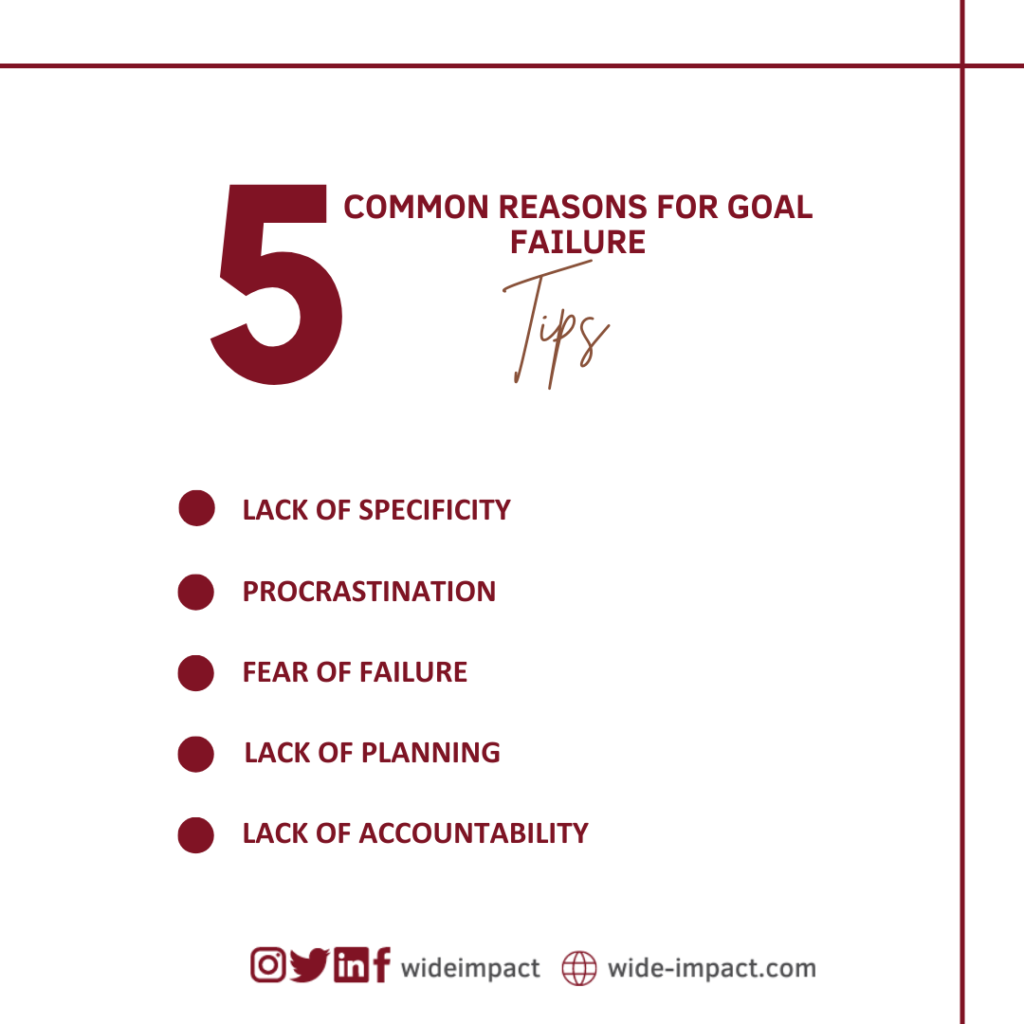
Achieving your goals requires more than just wishful thinking; it requires determination, discipline, and a willingness to overcome obstacles. By identifying and addressing common reasons for goal failure and implementing practical tips and tricks, you can increase your chances of success and turn your dreams into reality. Remember, the journey to success may not always be easy, but it will be worth it in the end. So don't give up – keep pushing forward, and you'll be amazed at what you can achieve.
Here is how you can set realistic goals that turn intention into measurable progress:
Goals are more meaningful—and more sustainable—when they align with your core values. Take time to reflect on what truly matters to you. Goals rooted in personal or professional purpose are easier to commit to and maintain.
The SMART framework provides clarity and structure. Clearly defined goals help you understand what success looks like and how to measure progress. This reduces ambiguity and increases focus.
Large goals can feel overwhelming. Breaking them into smaller steps makes them more manageable and less intimidating. Each completed step builds momentum and confidence.
While goals should be realistic, they should also challenge you. Stretch goals push you beyond your comfort zone and encourage growth. The key is balance—ambitious enough to inspire, but attainable enough to avoid burnout.
Monitoring progress keeps goals top of mind. Regularly reviewing achievements and setbacks allows you to adjust your approach and stay motivated. Tracking progress also reinforces accountability and provides a sense of accomplishment.
Here is how to stay motivated and committed, even when progress feels slow:
Understanding why a goal matters to you fuels motivation. When challenges arise, reconnecting with your purpose can help you push through moments of doubt or fatigue.
Milestones create opportunities to celebrate progress. Recognizing small wins keeps motivation high and reinforces positive behavior. Each milestone reminds you that progress is being made.
A growth mindset focuses on learning and improvement rather than perfection. Embracing challenges, learning from feedback, and viewing setbacks as temporary helps maintain motivation over the long term.
Support from others can make a significant difference. Whether it’s a mentor, coach, colleague, or peer group, surrounding yourself with people who encourage growth strengthens commitment and resilience.
Sustainable progress requires balance. Burnout can derail even the best intentions. Prioritizing rest, health, and well-being ensures you have the energy and clarity needed to stay committed to your goals.
Life is unpredictable, and goals may need adjustment along the way. Flexibility allows you to adapt without losing sight of your overall direction. Revising timelines or approaches is not failure—it’s strategic growth.
Achieving your goals is not about perfection; it’s about progress. With clear direction, thoughtful planning, and the right mindset, goals become powerful tools for personal and professional success. By understanding common obstacles, setting realistic expectations, and staying adaptable, you can turn ambition into meaningful achievement.
The journey may not always be easy, but each step forward brings you closer to the future you envision. Stay focused, stay committed, and most importantly, keep moving forward.